
Overwhelmed? Don't Ignore These Signs
Jul 01, 2026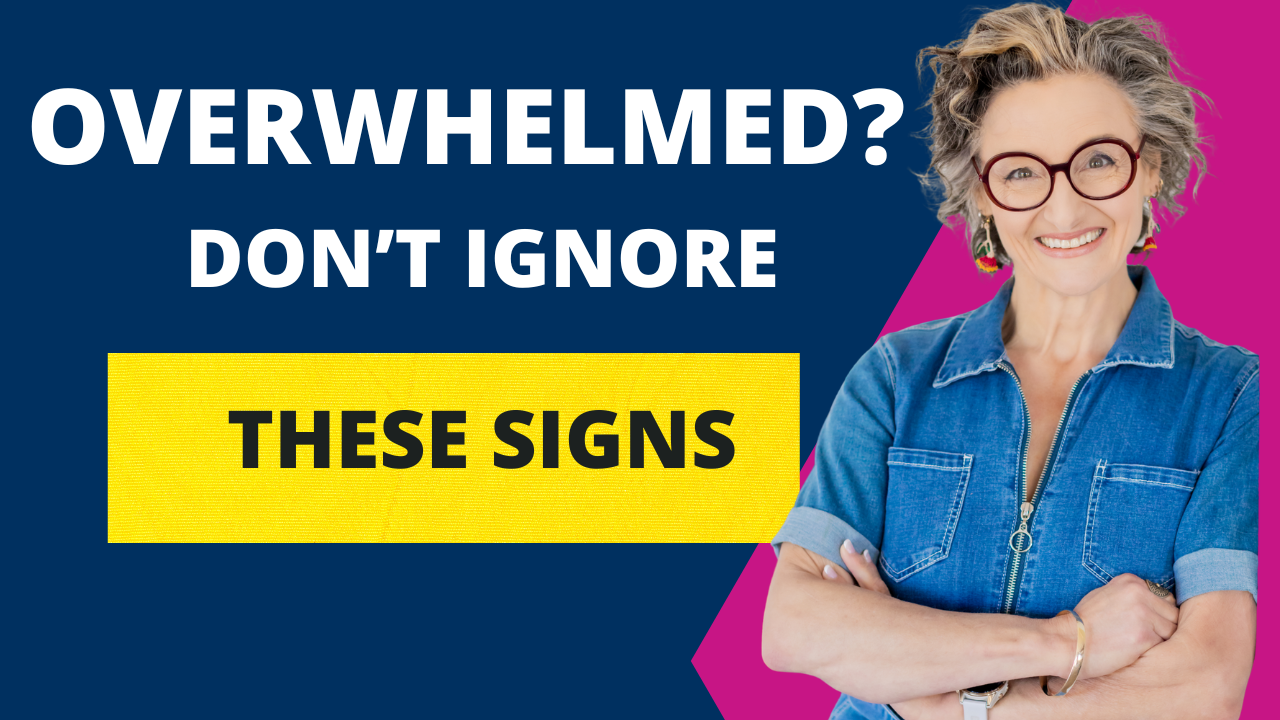
Early signs of mental health decline: what to notice before crisis hits
If you or anyone you know needs help:
-
Lifeline on 13 11 14
-
Aboriginal & Torres Strait Islander crisis support line 13YARN on 13 92 76
-
Beyond Blue on 1300 224 636
-
Headspace on 1800 650 890
-
MensLine Australia on 1300 789 978
-
SANE on 1800 187 263
Depression and anxiety often do not appear all at once. They can build gradually through changes in mood, sleep, energy, coping and physical symptoms, which is why noticing the early signs matters.
If you are not sure where to start you can take the medicare Online quiz. It is a first step in assessing your mental health
Why this matters
Many people keep going, keep smiling and keep performing long after their mental health has started to slide. In the episode, this is described as trying to paste over the cracks until things become unsustainable.
The key message is simple: reaching out early can be protective. You do not have to wait until things are severe before asking for support.
Early signs to notice
Some of the early changes discussed in the episode include:
-
Feeling more tearful or emotionally fragile than usual.
-
Ongoing fatigue, even when you think you are getting enough sleep.
-
Struggling to keep up the “happy face” in public, then feeling flat or overwhelmed when alone.
-
Physical symptoms that can worsen under stress, such as poor sleep, gut changes, dizziness or feeling run down.
-
Other early warning signs can include withdrawing socially, losing interest in things you usually enjoy, changes in appetite, and feeling persistently flat.
Everyone is an individual, so for you it may be any noticeable change in how you think, feel or behave, especially if people are asking, “Are you OK?” more often than usual.
These signs are not something to ignore. They are a prompt to pause, get curious and seek support early.
Red flags
Some thoughts are not early warning signs. They are red flags and should be treated seriously.
-
“I’m a burden.”
-
“They’d be better off without me.”
-
“I don’t want to be here anymore.”
These thoughts can indicate suicidal distress and are a reason to seek urgent professional help straight away.
Support yourself early
Small steps can help before things worsen:
-
Start with your GP if you are unsure what support you need.
-
Reduce overload where you can and drop non-essential tasks. Ask someone to help with practical tasks or to give you a break so you can sleep.
-
Move your body gently, even if it is just a short walk.
-
Tell one trusted person that you are not coping as well as you look.
State-based resources
For more information and support pathways in your state or territory:
-
Queensland: Mental health and wellbeing qld.gov
-
New South Wales: Mental health - NSW Health health.nsw.gov
-
Victoria: Mental health services - Better Health Channel health.vic.gov
-
Tasmania: Mental health - Tasmanian Government safetyandquality
-
Western Australia: Mental health - HealthyWA healthywa.wa.gov
-
South Australia: Mental health - SA Health sahealth.sa.gov
-
Australian Capital Territory: Mental health services - ACT Health healthdirect.gov
-
Northern Territory: Mental Health - NT
-
National: Medicare Mental Health - how to support yourself medicarementalhealth
Watch the podcast
Watch / Listen to The Wellness Nurse podcast episode with Julie Goodwin for the full conversation on early signs, stigma, help-seeking and hope.
-
Apple Podcasts: https://podcasts.apple.com/au/podcast/the-wellness-nurse/id1795802054
-
Spotify: https://open.spotify.com/show/1uZWe32MxIt6Qx7PSwRTJa?si=8fb27168b17b42f7
🚀 Take action now
Need an injection of motivation, help overcoming a specific obstacle or after a customised plan? Book a session at roslindsey.com/bookings
Curious about your health? Check your mental health and a few core indicators of your physical health. Try the free Health Selfie App This must be done on a computer. Not mobile friendly at this stage.
Like to do things at your own pace? Get The Wellness RoadMap and start right now. Go to the courses tab here on the website
Don’t wait. Connection is waiting for you. Prioritise your health like your life depends on it!
Disclaimer
The information provided in this article is for educational and informational purposes only and is not intended as medical advice, diagnosis, or treatment. While every effort has been made to ensure the content is accurate and based on current evidence, it should not replace individual assessment and guidance from a qualified healthcare professional.
Mental health is complex and highly individual. If you are experiencing distress, changes in mood, or concerns about your mental wellbeing, it is important to seek support from a registered healthcare provider such as your GP, psychologist, or psychiatrist.
If you are in immediate danger or experiencing thoughts of self-harm or suicide, please seek urgent help by contacting emergency services or a crisis support service.
Any resources, tools, or services mentioned (including external links and self-assessment tools) are provided for convenience and do not replace professional care.
Engaging with content on this website or associated platforms, including The Wellness Nurse podcast, does not establish a therapeutic or clinician–patient relationship.
Always consult your healthcare provider before making changes to your health routine, particularly if you have existing medical or mental health conditions.
SUBSCRIBE FOR BLOG UPDATES
Blogs are general information and not to be interpreted as individual advice.